
How Business Valuers Calculate Value & How You Can Improve It - Part 2
By Robert Prior
April 2026

Understanding how a business’s value is calculated is essential for anyone considering buying or selling a business. However, it’s important to know that a valuation process is not just a simple formula calculation. At least when prepared properly, it shouldn’t be. To determine a business’s value, the business valuer will consider and understand the financial performance, risk, industry and current market conditions affecting that particular business.
How Valuers Calculate Value?
Valuers use several different approaches to estimate what a business is worth. However, the most common method applied for small to medium sized business valuations is the “Capitalisation of Future Maintainable Earnings Method”.
This valuation method looks at the business’s future adjusted maintainable earnings (i.e. adjusted net profit) and applies it to a suitable multiplier that reflects this business’s risk, industry and future growth potential. For example, if future maintainable profits are $200,000 p.a. and the relevant valuation multiplier for this business is determined by the valuer to be 3 – then the value of this business would be $600,000.
The business value determined in the example above (i.e. $600,000) typically includes plant and equipment, stock, work-in-progress and goodwill only. These are the most common assets sold in small to medium business transactions. It is important to note that Goodwill is therefore not calculated directly in its own right – it’s a residual value (i.e. the difference between the total business value and the tangible business assets).
For larger businesses, valuations often focus on “Enterprise Value”, which includes the above plus working capital items such as debtors, creditors and accruals, but usually excludes surplus cash and debt balances.
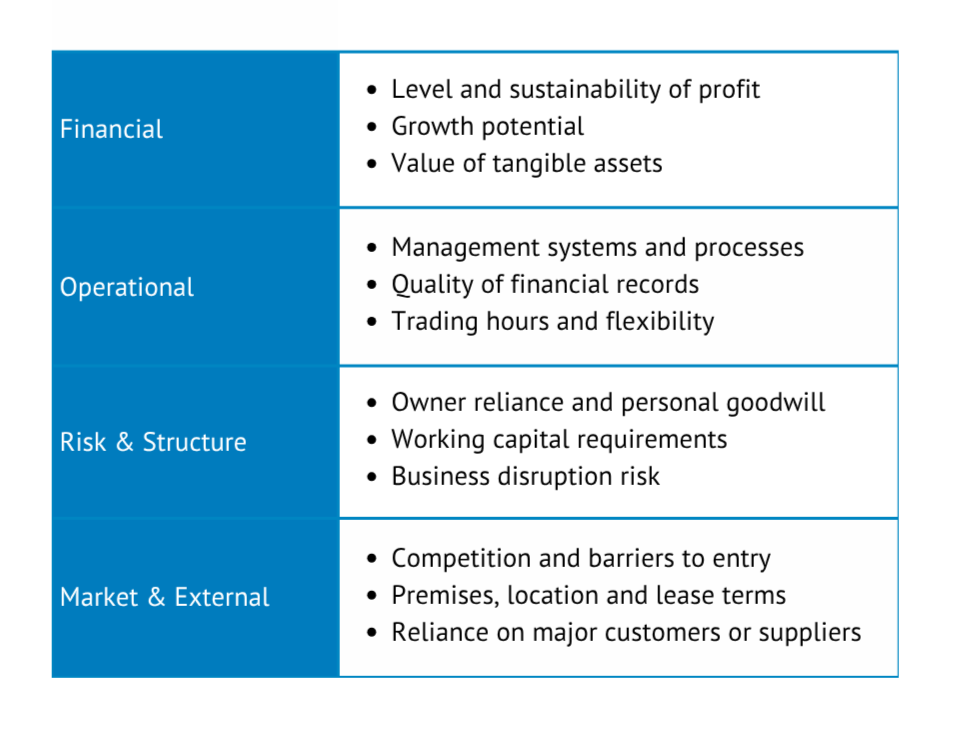
The business valuation multiplier is not fixed by industry and can vary significantly between businesses due to differences in risk, industry conditions & trends, growth potential, owner involvement and the quality of earnings. Accordingly, a properly prepared business valuation is not a simple calculation — it’s an exercise in assessing evidence and applying experienced professional judgement.
Factors That Influence Value
Many factors affect a business’s value beyond just profit, including:
Practical Tips to Improve Value
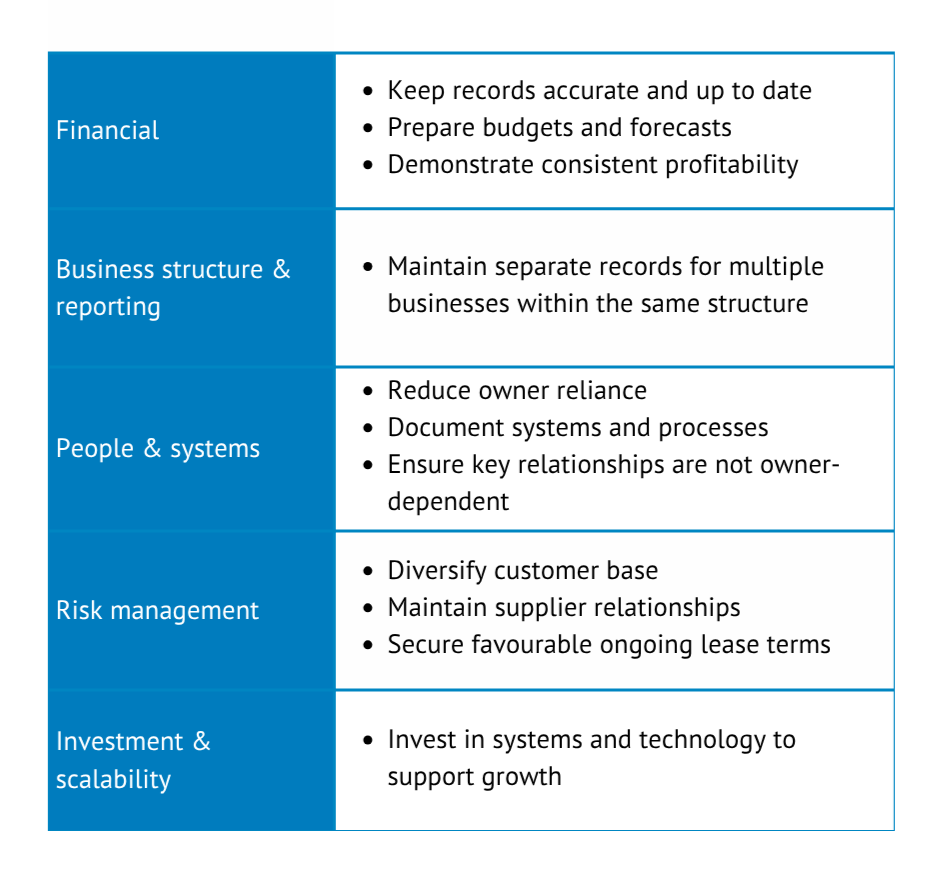
If you want to increase the value of your business, consider these steps
Selling a business is no different to selling a house. Before you sell your house, you usually tidy it up to make it as presentable as possible to both attract buyers and get the best possible price for it. When you go to sell your business, you need to do exactly the same thing.
When a business is valued, usually the last three years financial statements will be reviewed as well as current year-to-date information. So, if you’re considering selling your business, then you need to start planning (“tidying your house”) at least three years or more ahead!
Key Takeaways
Business Valuations are complex as they are impacted by many different factors. No two businesses are worth the same. You should avoid relying on any “rules of thumb” that you may have heard. Professional advice should always be sought from an experienced Business Valuer to ensure accuracy and help you avoid costly mistakes
So if you’re considering buying or selling a business or you’re just interested to know what your business is really worth, then talk to us. We can guide you through this process, help you to either maximise your business value or avoid paying too much for one and review your business to see if there is anything you can do now to improve your value in the future.

Payday Super Is Coming: Are Your Payroll Systems Ready?
With Payday Super set to commence from 1 July 2026, the way businesses manage payroll and superannuation is changing significantly.
Instead of paying super quarterly, contributions will need to be made at the same time as wages. This shift means your payroll system is no longer just about paying employees correctly; it becomes a critical part of staying compliant.
What This Means in Practice
For many businesses, the biggest impact will be on systems and processes.
You’ll need to ensure that:
Your payroll system can calculate and process super with each pay run
Payments are made accurately and on time
Super clearing house solutions are integrated and reliable
Cash flow is managed to accommodate more frequent payments
Not all payroll setups are equal, and what works today may not be suitable under the new rules.
Choosing the Right Setup
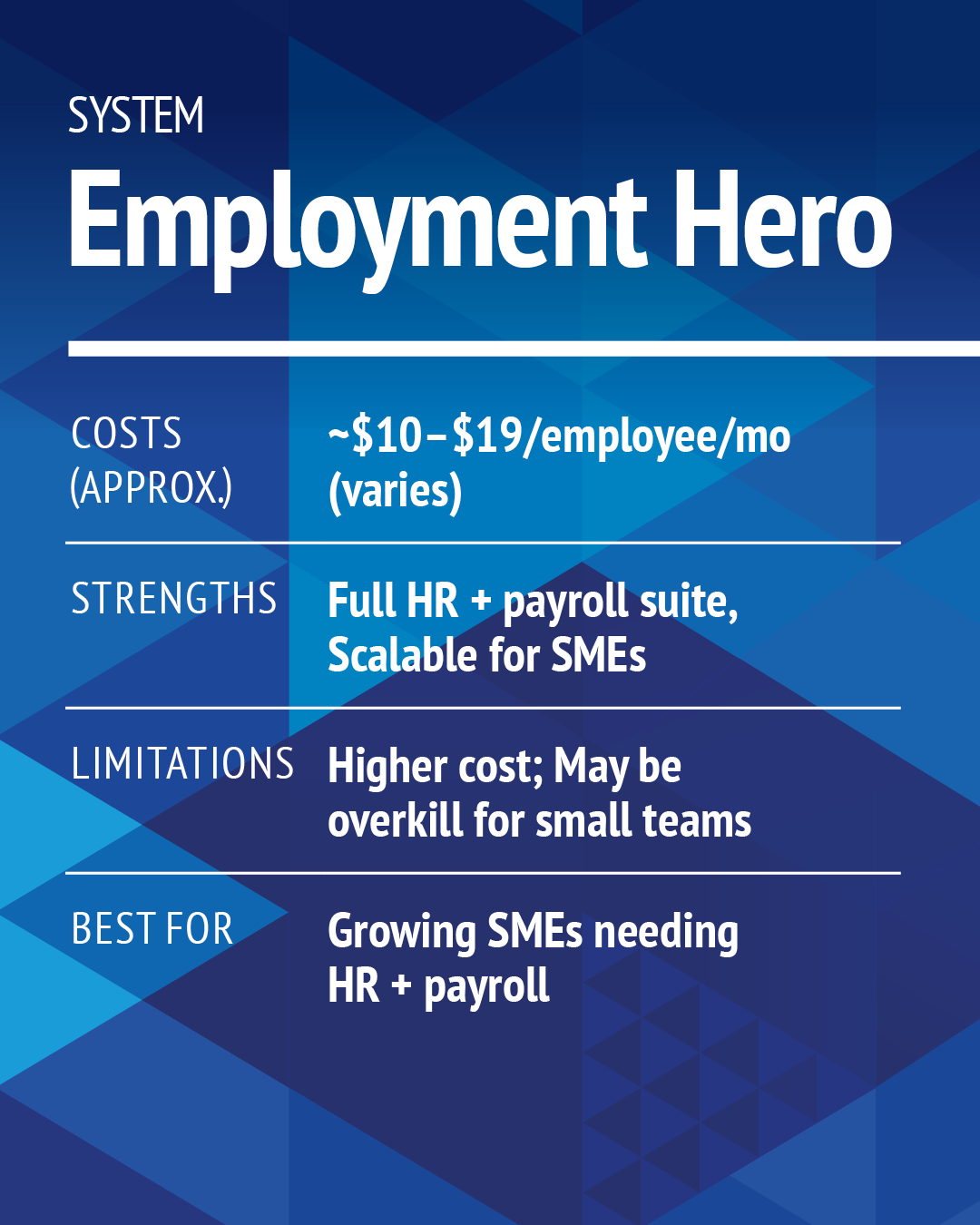
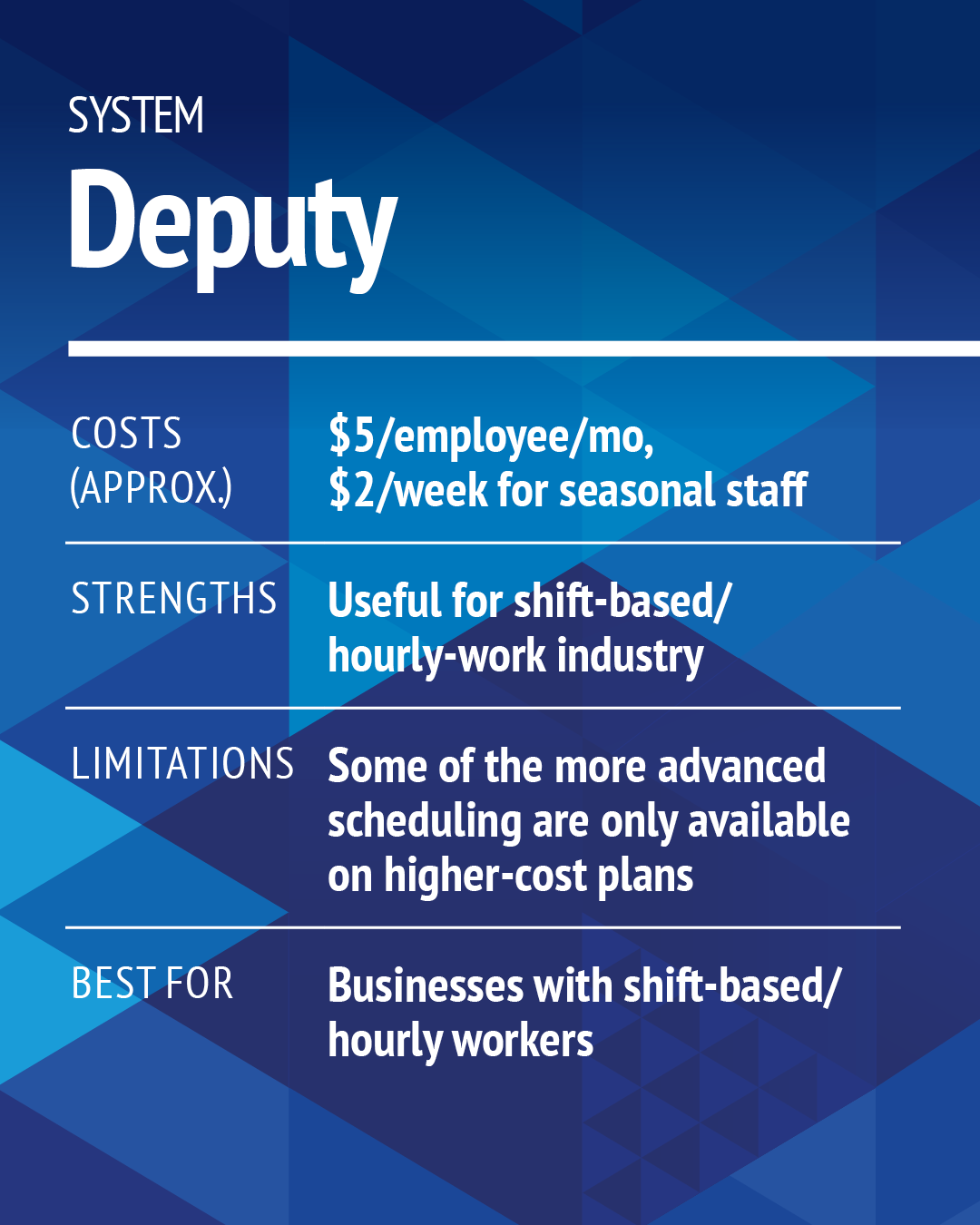
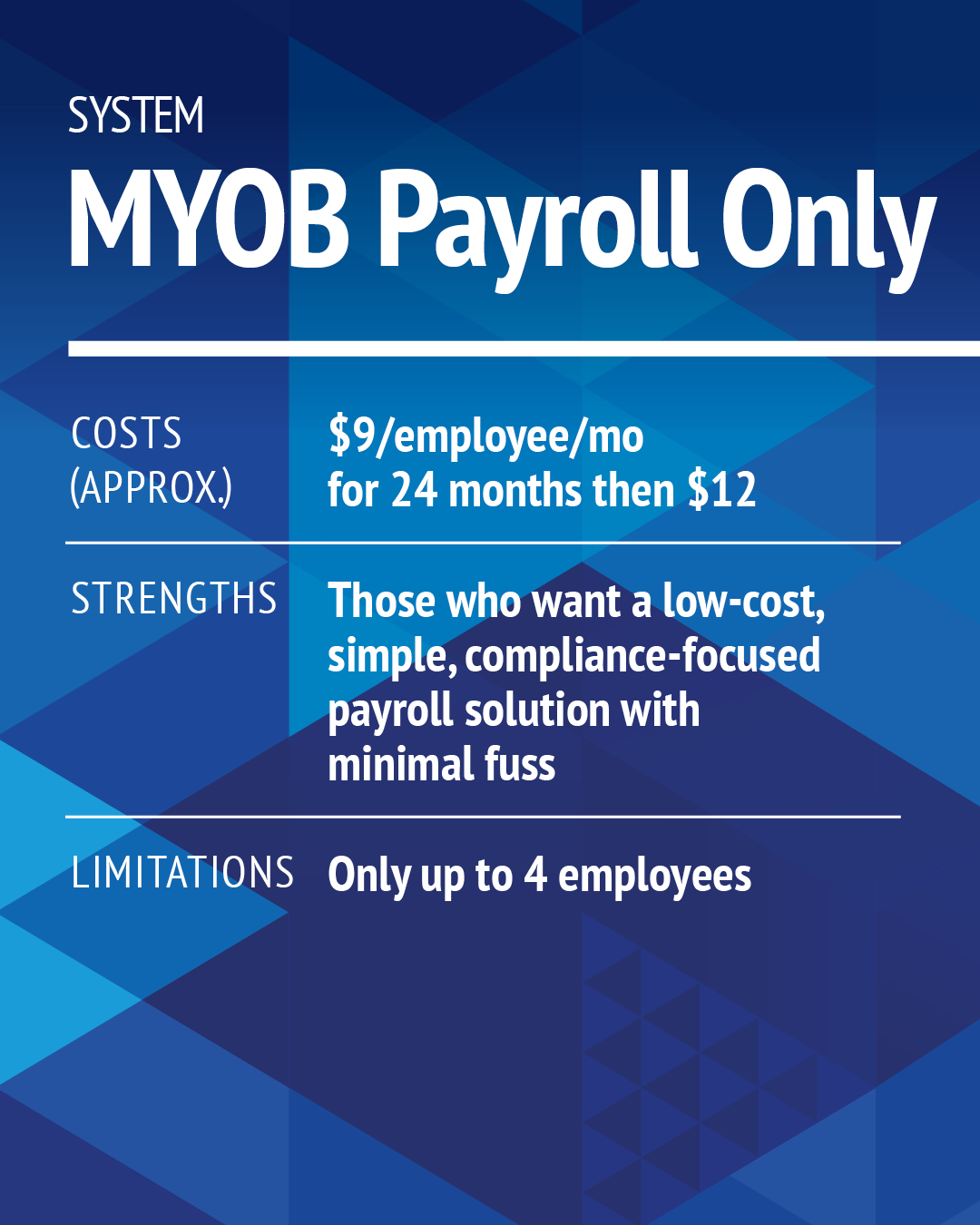
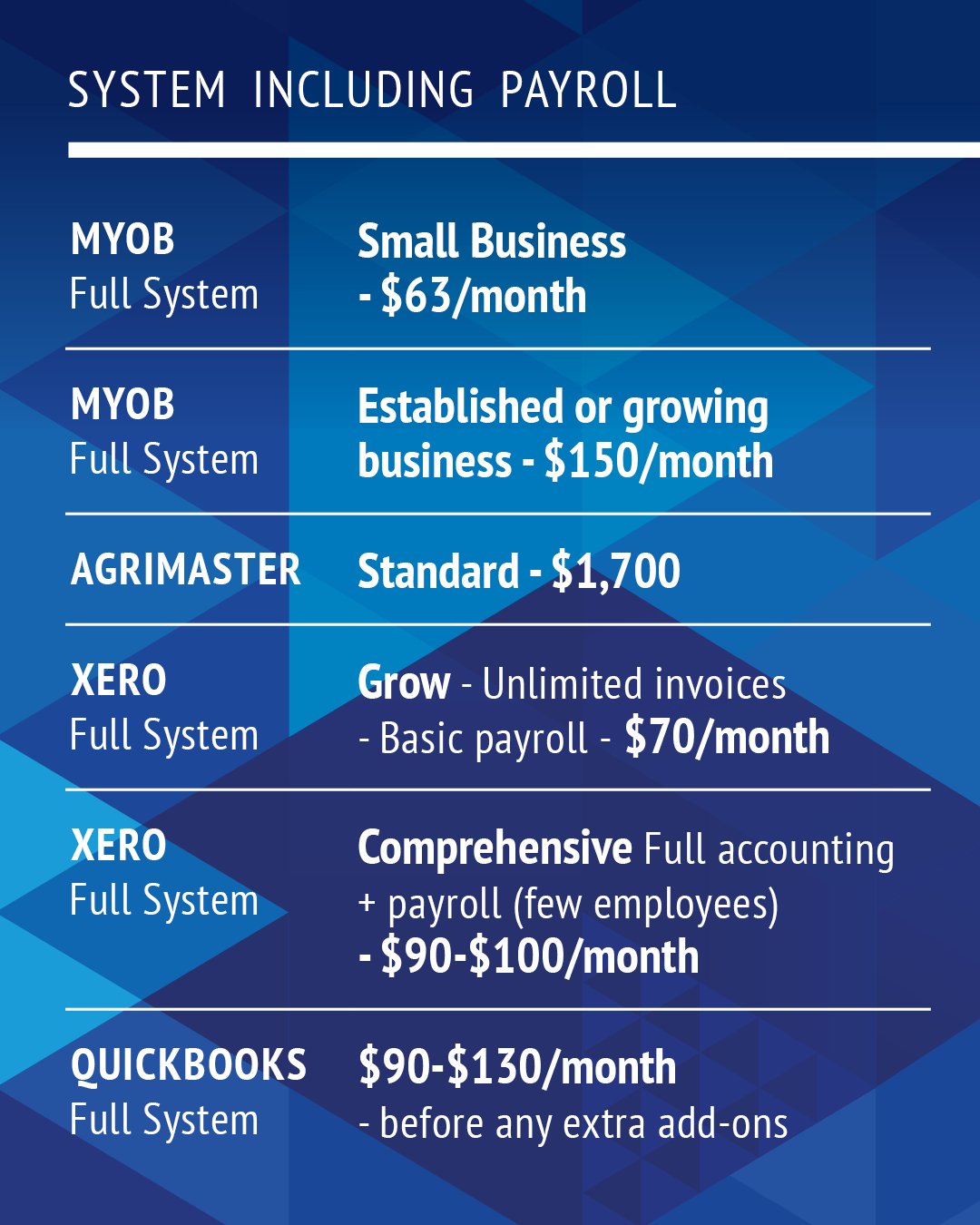
There are a range of payroll and super processing options available — from fully integrated systems to more manual approaches.
The right choice will depend on:
The size and structure of your business
The complexity of your payroll
Your current systems and software
How much automation and visibility you require
Getting this right early can reduce risk, improve efficiency and avoid last-minute pressure as the deadline approaches.
Why It Matters
Payroll compliance is not something to leave to chance.
Mistakes or delays under the new system could lead to penalties, additional administration and unnecessary stress. On the other hand, a well-structured system can streamline your processes and give you greater confidence in your reporting.
Need clarity? The Lincolns team is ready to help you assess your current systems and make the right call before Payday Super arrives.
